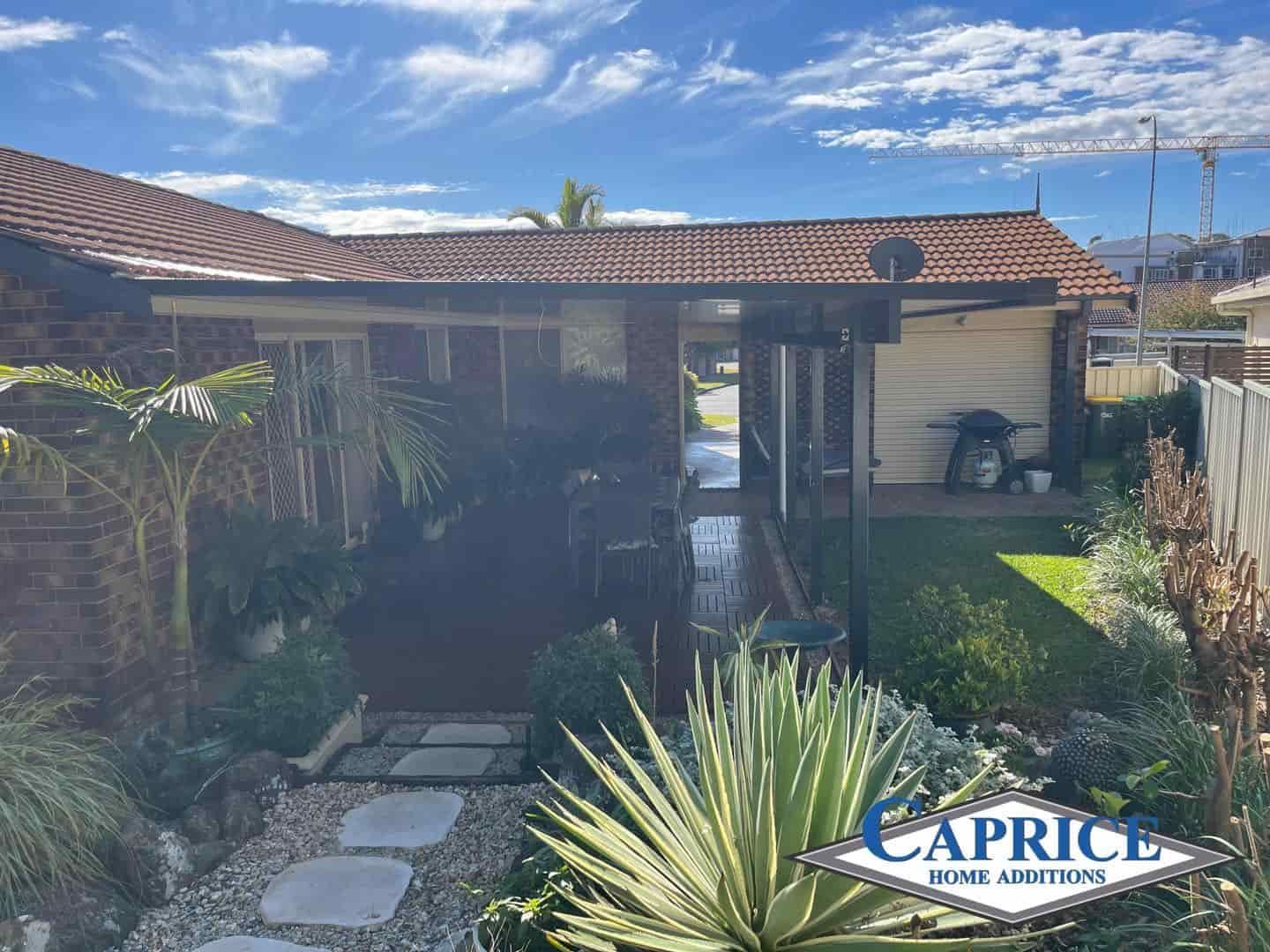
Preventing Rust, Rot And Wear On Patio Structures
Salt air has a way of finding every gap in a structure. A patio that looked freshly built two summers ago can start showing rust spots on its brackets, soft patches in the timber, or a slight sag in the roofline, and none of it happens overnight. It creeps in through humidity, salt-laden winds and the odd storm that never quite dries out before the next one arrives.
For anyone with patios in Forster, understanding what causes this wear and how to stay ahead of it makes the difference between a structure that lasts decades and one that needs early repairs. This article looks at the practical side of upkeep, from material choices through to the simple habits that keep an outdoor space safe and sound.
Why Preventative Patio Maintenance Matters in Forster's Climate
Forster sits right on the Mid North Coast, which means outdoor structures deal with a combination of salt spray, humidity and UV exposure most inland properties never encounter. This climate accelerates the natural wear on both timber and metal, so a maintenance schedule that might suit a Sydney backyard often isn't enough here.
Preventative care matters because the cost of ignoring small issues is rarely small for long. A patch of surface rust left untreated can spread into a structural bracket. A timber post with trapped moisture can start to soften from the inside while looking fine on the surface.
Some of the specific pressures Forster properties face include:
- Salt-laden air that speeds up corrosion on unprotected metal fixings
- High humidity that slows down timber drying after rain
- Strong coastal UV that breaks down sealants and paint finishes faster than in cooler climates
- Storm season winds that stress joints and fixings repeatedly over a season
Addressing these factors early, through the right materials and a proper maintenance routine, protects the structure and keeps repair costs down over its lifetime.
Sealing and Treating Timber Before It Rots
Timber is a popular choice for patios because of its natural look and warmth, but it's also the material most vulnerable to rot if it isn't properly sealed. Rot doesn't need standing water to take hold. It only needs consistent moisture exposure without a chance to dry out, which is common in shaded or poorly ventilated sections of a patio.
Sealing timber isn't a one-off task. It's an ongoing part of patio care that needs to be repeated as the existing coating wears down. Depending on the timber species and the exposure level, this might mean resealing every one to two years.
A practical approach to timber sealing includes:
- Applying a quality exterior sealant or oil-based finish suited to the timber species
- Checking joints, post bases and any spots where water tends to pool after rain
- Sanding back flaking or peeling sections before reapplying sealant, rather than coating over damage
- Allowing timber to fully dry before sealing, since trapping moisture underneath a fresh coat speeds up rot rather than preventing it
For structures closer to the coast, some homeowners choose to pair timber elements with treated or engineered posts in ground contact areas, since these tend to hold up better against sustained moisture than untreated timber.
Choosing Corrosion-Resistant Metals for Coastal Conditions
Metal components, from brackets and bolts to roof framing, are often the first place rust appears on a coastal patio. Standard steel fixings can start corroding within a year or two if they aren't rated for coastal use, which is why material selection matters as much as maintenance once the structure is built.
Corrosion-resistant materials commonly used in coastal patio and carport construction include:
- Marine-grade stainless steel fixings, particularly for brackets and bolts exposed directly to weather
- Powder-coated aluminium framing, which resists rust far better than untreated steel
- Hot-dip galvanised steel for structural components that need extra strength alongside corrosion protection
- Colorbond® steel roofing designed and rated for coastal environments
Choosing the right combination depends on the structure's design and its distance from the coastline. A patio a few streets back from the water has different requirements to one directly exposed to sea spray.
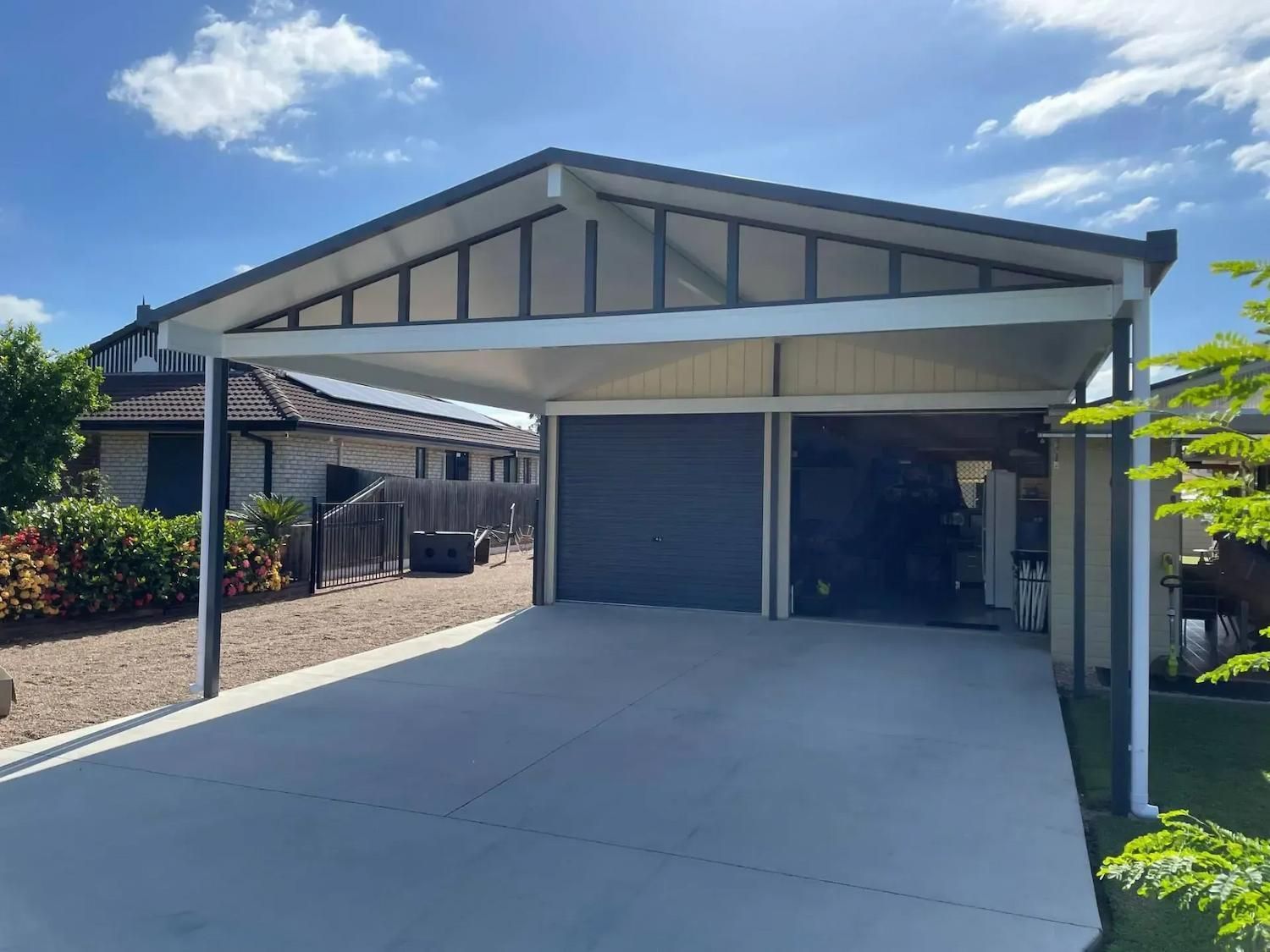
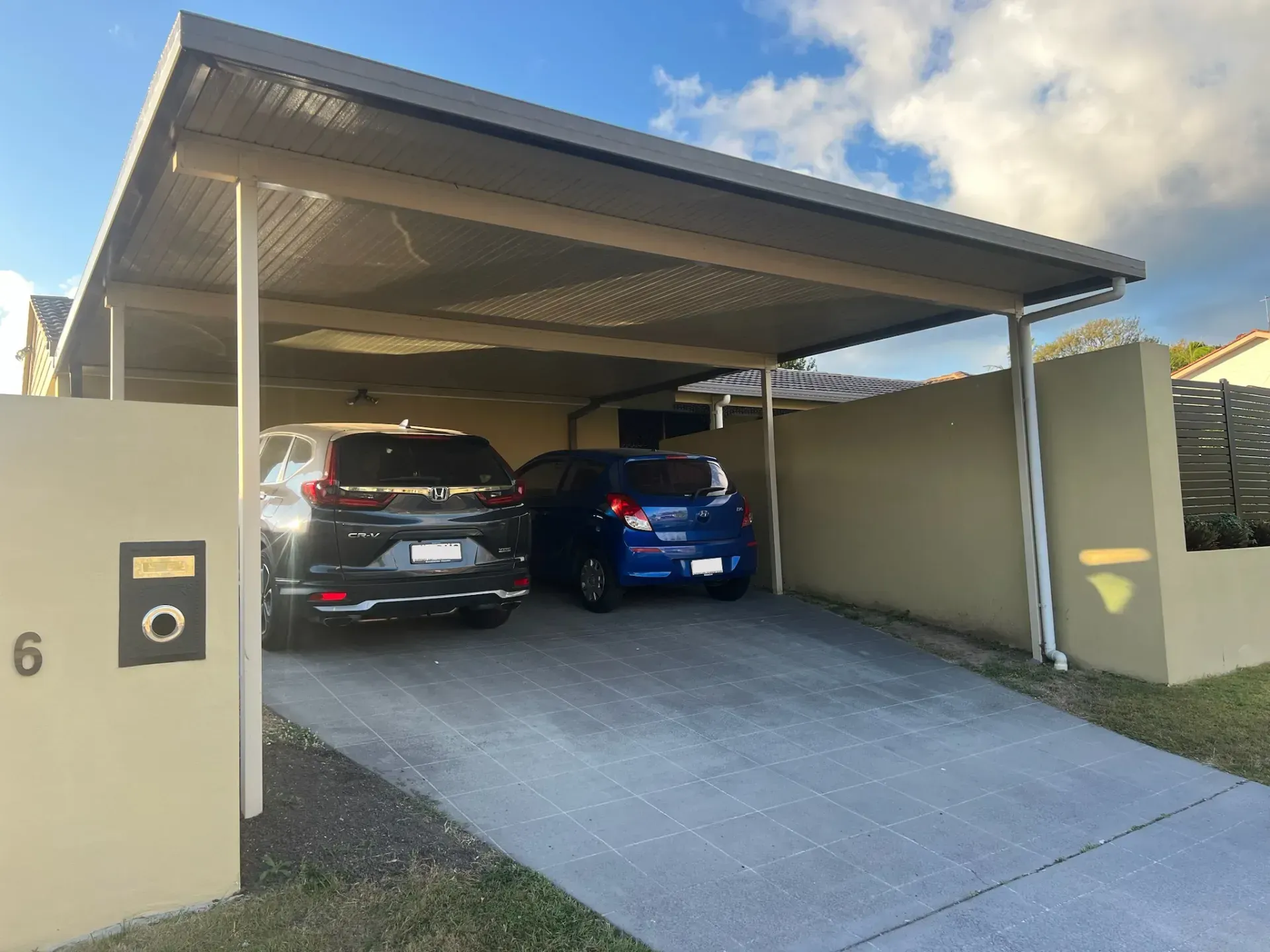
This is worth discussing with a builder familiar with the area, including for related structures such as
carports in Forster, which face similar exposure and benefit from the same material considerations.
Regular Cleaning: The Simplest Way to Extend Your Patio in Forster's Life
Of all the maintenance tasks on this list, cleaning is the easiest to overlook and the simplest to do consistently. Salt, dust and organic debris such as leaves and pollen build up on surfaces over time, and left unchecked, they hold moisture against the material and accelerate wear.
A basic cleaning routine doesn't need to be complicated. It's more about consistency than intensity.
- Hose down roofing and framing every few months to remove salt residue, particularly after storms
- Clear gutters and downpipes connected to the patio roof to prevent water backing up
- Sweep or wash decking boards regularly to stop leaf litter and dirt trapping moisture
- Use a mild detergent rather than harsh chemicals, which can strip protective coatings on metal or timber finishes
For properties directly on the coast, a quick rinse after particularly salty or windy weather goes a long way. It's a small habit that reduces the workload needed for more involved outdoor structure maintenance later on.
Spotting Water Damage Before It Becomes a Structural Problem
Water damage tends to start small and stay hidden. A slightly discoloured timber post, a faint rust streak below a bracket or a soft spot in decking are all early signs worth taking seriously, since they usually indicate a moisture issue that's been developing for a while.
Some early warning signs to watch for include:
- Discolouration or dark staining on timber, particularly near joints or ground contact points
- Rust streaks running down from metal fixings or roofing screws
- A soft or spongy feel when pressing on timber decking or posts
- Peeling paint or sealant in patches, especially where water tends to collect
- Slight movement or flex in posts that previously felt solid
Catching these signs early usually means a straightforward repair rather than a full rebuild. Leaving them unaddressed, on the other hand, can allow the damage to spread into structural elements that are far more costly to replace.
Building a Seasonal Inspection Routine
A seasonal inspection routine turns maintenance from a reactive task into a predictable one. Rather than waiting for a problem to become obvious, a structured check a few times a year catches issues while they're still minor.
A reasonable seasonal routine might look like this:
- Autumn: Clear gutters and roofing of leaf litter before winter rains set in
- Winter: Check for pooling water or drainage issues after heavy rain events
- Spring: Inspect timber and metal for any damage that occurred over winter, and reseal or touch up as needed
- Summer: Check UV-exposed sealants and coatings, which tend to break down fastest during the hottest months
Keeping a simple record of what was checked and when helps track how the structure is ageing over time, and makes it easier to plan for resealing or repainting before it becomes urgent.
When to Call in a Professional Patio Builder
Not every issue is a DIY job, and knowing when to bring in a professional can prevent a minor repair turning into a larger, more expensive one. Some structural issues aren't visible until a trained eye assesses the framing, footings or roof connections.
Situations that generally warrant a professional assessment include:
- Visible movement or flex in structural posts or beams
- Rust that has spread beyond the surface into load-bearing brackets or fixings
- Persistent water pooling that hasn't responded to basic drainage fixes
- Timber rot that extends below the surface rather than being limited to a coating issue
- Any uncertainty about whether a structure still meets the relevant building standards
A professional builder can also advise on upgrading materials during repairs, such as swapping standard fixings for corrosion-resistant alternatives, which is a practical way of extending the life of the structure without a full rebuild. This kind of proactive assessment is particularly relevant for anyone protecting outdoor structures from Forster's coastal conditions, where material choice plays such a large role in long-term durability.
Protect Your Investment With Caprice Home Additions
A patio is a significant investment, and the difference between one that lasts and one that needs early repairs often comes down to the materials used and the maintenance carried out along the way. We at Caprice Home Additions work homeowners to build patios in Forster suited to the local coastal climate, using materials and construction methods chosen for long-term durability rather than short-term appearance.
If your existing patio is showing early signs of wear, or you're planning a new outdoor structure and want it built to handle Forster's conditions from the start, we're happy to have a conversation about what will work best for your property. Whether that means a maintenance assessment, a repair, or a new build,
reach out to discuss your options and get a clear idea of what's involved.
Frequently Asked Questions