How Carports Reduce Long-term Vehicle Maintenance Costs
Most Australians don't realise how much their car loses in value, not from kilometres driven, but from sitting in a driveway. Sun, rain, salt air, bird droppings and falling debris quietly chip away at paintwork, interiors, mechanical components and structural integrity year after year. For households without a garage, that exposure adds up to real money over time. Carports Forster homeowners are increasingly looking to avoid exactly this kind of slow, preventable deterioration, and it's not hard to see why. A well-built carport creates a meaningful barrier between your vehicle and the elements, and the savings that flow from that protection are far more significant than most people expect. This blog unpacks how carports reduce long-term vehicle maintenance costs across everything from paint and upholstery to tyres, mechanical systems and property value.
UV Exposure Is Quietly Destroying Your Paintwork
Australia has some of the highest UV radiation levels in the world, and a car parked outdoors every day absorbs the full force of it. Prolonged UV exposure breaks down the clear coat on vehicle paint, causing it to fade, crack and peel, a process that happens faster than most owners notice until the damage is already significant. Once the clear coat is compromised, the underlying paint oxidises and the damage becomes expensive to reverse. A full paint correction or respray on even a mid-range vehicle can cost several thousand dollars. Consistent shade coverage from a carport dramatically slows this process.
The UV-related damage that builds up over time includes:
- Faded and chalky paint that no longer responds to polishing
- Cracked or peeling clear coat that requires professional correction
- Oxidised metal panels that accelerate surface rust
- Rubber seals around windows and doors that dry out and crack
Heat Buildup Degrades Your Interior Faster Than You Think
A car left in full sun can reach internal temperatures of well over 60°C on a hot day. That kind of sustained heat wrecks an interior methodically, dashboards warp, leather splits, plastics become brittle and fabric fading accelerates to the point where the cabin looks worn years before it should. Beyond aesthetics, heat-damaged interiors affect resale value significantly. Buyers notice a cracked dashboard and faded seats, and those visible signs of neglect translate directly into lower offers at trade-in or private sale.
Consistent shade from a carport limits interior heat damage by:
- Preventing dashboard warping and surface cracking
- Slowing the fading and drying out of leather and fabric upholstery
- Protecting in-cabin electronics from heat-induced failure
- Preserving the structural integrity of rubber door seals and trims
Rust and Corrosion Start Sooner Than Most Owners Expect
Surface rust is one of the most insidious forms of vehicle deterioration because it often starts in places that are hard to see, under door sills, along the base of panels, beneath the vehicle and around the wheel arches. Moisture, salt air and dirt accelerate corrosion significantly, particularly in coastal and semi-rural areas where conditions are often more aggressive.
Once rust takes hold, the repair bill can be substantial. Panel replacement, rust treatment and repainting are labour-intensive processes that most workshops charge a premium for, and structural rust can render a vehicle unroadworthy.
A carport helps reduce rust risk by protecting the vehicle from:
- Rain and overnight dew that sit on painted and bare metal surfaces
- Salt-laden coastal air that penetrates factory paint over time
- Road grime and debris that trap moisture against body panels
- Standing water that pools under a vehicle after heavy rain
Mechanical Wear Increases When Engines Heat-Soak Repeatedly
The mechanical cost of outdoor parking is often overlooked entirely. When a car sits in full sun for extended periods, the engine bay, battery, hoses and fluid reservoirs absorb significant heat. Starting a heat-soaked engine puts additional strain on components that are designed to operate within a normal thermal range, and doing that repeatedly across years of ownership adds up.
Batteries in particular are vulnerable to heat degradation, often failing well before their rated lifespan in vehicles parked outdoors year-round in warmer climates. The same applies to coolant hoses, drive belts and power steering lines.
Regular heat-soaking accelerates mechanical wear across several key areas:
- Battery capacity and lifespan, often reduced by two or more years in hot climates
- Rubber hoses and drive belts that crack and perish faster under sustained heat
- Engine fluids that degrade more quickly at elevated ambient temperatures
- Air conditioning systems that work harder and wear faster to cool a heat-saturated cabin
Protecting Caravans, Boats and Utes Is a Different Proposition
Everyday passenger cars suffer from outdoor exposure, but the cost implications are even greater for larger assets like caravans, trailers, boats and work utes. These vehicles are often less frequently used, which means they spend more cumulative time exposed to weather, and their materials tend to be more vulnerable to deterioration. Canvas annexes on caravans degrade rapidly in UV. Boat gelcoat fades and oxidises without shade. Ute tray liners crack and fade. These are not cosmetic concerns alone; the structural and functional integrity of these assets can be compromised, and repair or replacement costs are typically higher than those of a standard passenger vehicle.
A carport sized for these larger assets protects them from:
- UV breakdown of canvas, fibreglass and gelcoat surfaces
- Bird droppings and tree sap that etch into paint and protective coatings
- Hail and storm debris that dent and crack exposed surfaces
- Moisture ingress into storage compartments left unsealed under prolonged rain
Why Carports Outperform Shade Sails and Temporary Covers
Shade sails and temporary car covers are often the first step homeowners take when they don't have a garage, and while they provide some benefit, they fall well short of what a properly built carport delivers. Shade sails offer UV filtering but provide minimal protection from rain, hail, debris or wind-driven dust. Car covers protect the paintwork but trap moisture underneath, which can actually accelerate corrosion on some vehicles. A permanent carport structure addresses all of these concerns simultaneously, and unlike temporary solutions, it doesn't require daily effort to install or remove.
The practical advantages a carport has over temporary alternatives include:
- Full overhead protection from rain, hail and wind-blown debris
- Consistent shade without the UV degradation that affects shade sail fabric over time
- No moisture entrapment under covers that can cause rust and mildew
- Year-round usability without setup or takedown on every use
The Impact a Carport Has on Property Value
A well-designed carport does more than protect what sits under it. It improves the street presence of a property, signals to buyers that the home has been maintained thoughtfully, and adds functional outdoor infrastructure that many purchasers actively look for. For landlords and investors, a carport is a relatively low-cost addition that can support rental appeal and justify higher asking prices. Properties without covered parking are increasingly at a disadvantage in markets where buyers and tenants weigh up practical liveability. A carport is a visible, tangible feature that addresses that gap without the cost or complexity of a full garage build.
A carport contributes to property value by:
- Adding covered parking that buyers and tenants actively seek out
- Improving kerb appeal with a well-integrated, professionally built structure
- Demonstrating property upkeep that supports higher appraisal outcomes
- Offering a cost-effective alternative to garage construction with similar functional benefits
Choosing the Right Carport Design for Your Vehicle and Home
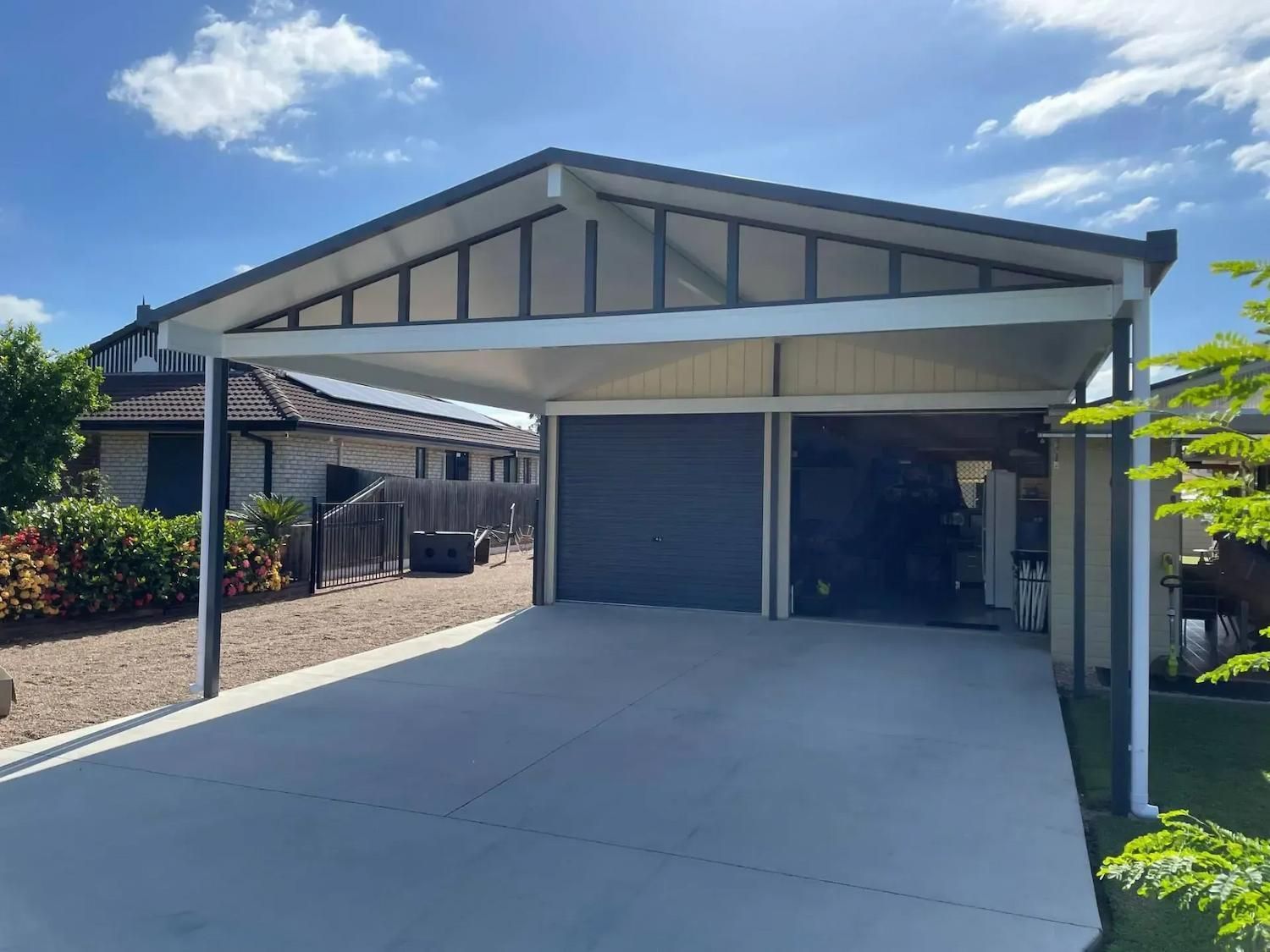
Not every carport suits every property or vehicle type. The right design depends on the number of vehicles to be covered, the size of the largest asset, the roofline and orientation of the home, and local council requirements. Gable roof carports offer stronger visual integration with the home and better drainage, while flat and skillion designs suit tighter sites or lower budgets without sacrificing protection. Insulated roofing panels are worth considering for households in areas with particularly intense sun, as they reduce heat transfer compared to standard Colorbond sheeting and keep the covered space noticeably cooler.
Key design considerations when planning a carport include:
- Roof style and pitch relative to the existing home architecture
- Span and height clearance for caravans, boats or high-roof work vehicles
- Roofing material options including insulated panels for heat management
- Orientation and drainage to prevent water pooling at the base
Start Protecting Your Vehicles the Right Way
We at
Caprice Home Additions work with homeowners across Forster and the wider Mid North Coast to design and build carports that suit both the property and the assets being protected. Whether you're covering a daily driver, a caravan, a boat or a work ute, we'll help you find a solution that fits your site, your budget and your home's aesthetic. From
patios Forster families use to extend their outdoor living, through to custom carport builds, our team handles the design, engineering and installation from start to finish.
Get in touch with us today to arrange a free consultation and quote.